
Upgrading the front bumper is one of the most common and impactful modifications you can make to your off-road rig. Not only does it change the vehicle’s appearance, but it also plays a significant role in protection, winch mounting, and recovery capability. When you start looking at aftermarket options, you’ll quickly discover that two materials dominate the market: steel and aluminum.
Both materials are solid choices, and both have strengths that appeal to different types of drivers. Choosing between them isn’t about one being “better” across the board—it’s about matching the bumper to how you actually use your rig. The decision will be different for someone building a hardcore rock crawler compared to someone planning months-long overland journeys with long stretches of highway in between.
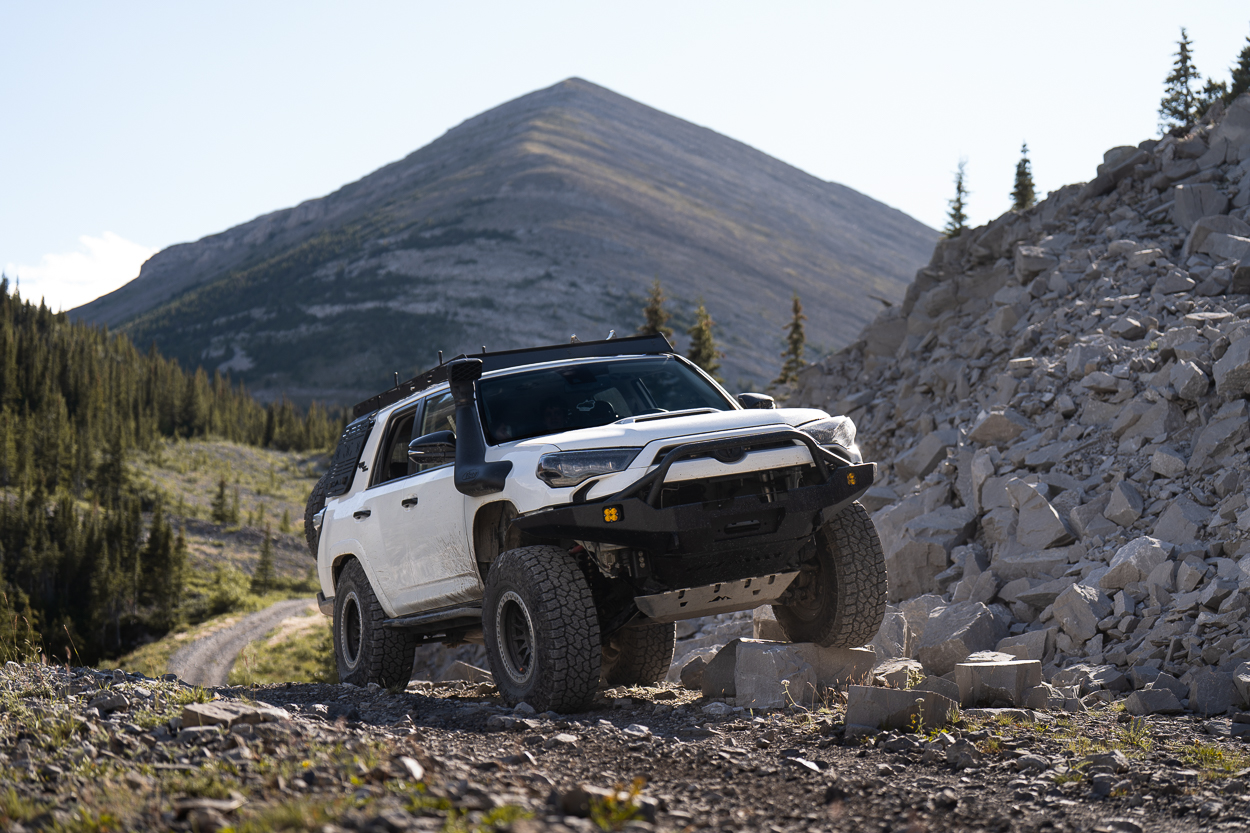
My build has gone through several different iterations, testing all different types of armor. Ultimately, I gravitated and ending up staying with as many aluminum options to keep the weight and corrosion down. I’m currently running a Backwoods Adventure Mods Hi-Lite Overland front bumper. It’s a hybrid design, with a steel winch core and lightweight aluminum shell. Pretty much the best of both worlds!
Let’s break down the major factors to consider so you can decide which option aligns best with your needs.
Find It Online
- Backwoods Front Bumper For 2010-2024 4Runner: Check Price
Table Of Contents
Strength & Durability
When people think of steel bumpers, they think “tough”. There’s a reason for that. Steel has been the go-to for heavy-duty off-road armour for decades. A steel bumper is incredibly strong and can handle repeated impacts from rocks, stumps, or other obstacles without bending or cracking. This makes it a top choice for serious rock crawlers, rescue rigs, and vehicles regularly navigating trails where bumper contact is almost inevitable.
The extra rigidity also gives you confidence during winch pulls and recovery situations. A steel bumper will flex less under load, and the mounting points can take higher stresses without deformation. That’s why most competition off-roaders or dedicated trail rigs still lean heavily toward steel.
Aluminum bumpers, on the other hand, are no slouch in terms of durability, but they do have their limits. Thanks to modern alloys and engineering, a quality aluminum bumper can still support a winch, push through brush, and take moderate trail hits. For light-to-moderate off-road use (the vast majority of the market), forest service roads, and overland travel, aluminum is more than capable. It just won’t shrug off repeated high-impact hits in the same way steel will. If your adventures involve navigating sharp boulder gardens every weekend, steel still has the upper hand.
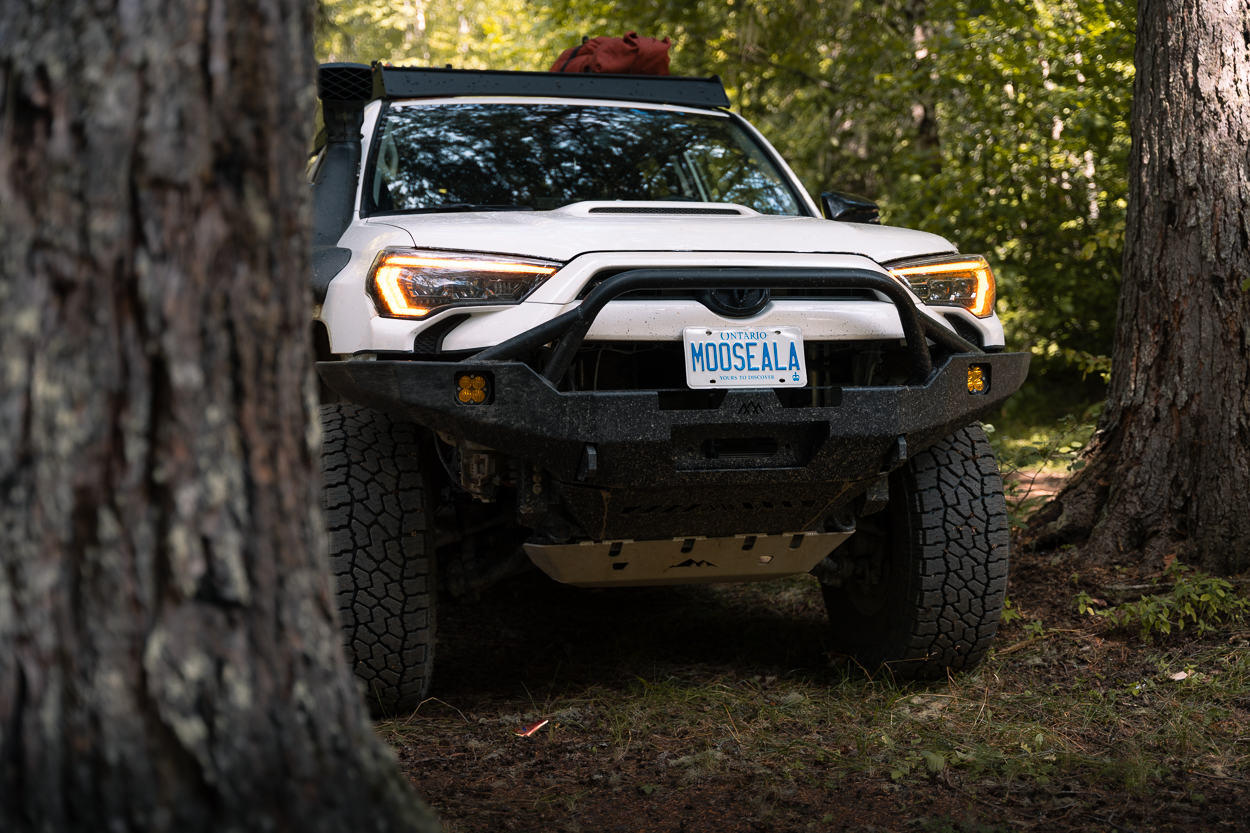
I’ve seen the Backwoods bumpers take some pretty solid hits and keep going. The winch cradle is unbelievably solid and the aluminum shell is pretty strong. The cool part is, if the bumper is badly damaged, the shell can be easily replaced.
Weight Considerations
This is where aluminum really starts to shine. Weight is one of the most overlooked aspects of bumper choice, yet it impacts almost every part of vehicle performance. An aluminum front bumper typically weighs 40–60% less than its steel counterpart. That weight savings, sometimes as much as 70 pounds, has a cascading effect on how your truck behaves.
A lighter front end means…
- Better suspension performance – Your springs and shocks have less static weight to manage, allowing them to respond more effectively to bumps and terrain changes.
- Improved fuel efficiency – While we’re not talking massive gains, every bit counts, especially on long-distance trips where fuel stops can be few and far between.
- Easier steering and handling – Less weight over the front axle often means a more responsive, less nose-heavy feel, especially on winding roads or technical terrain.
- Less wear and tear – Reduced load on suspension bushings, ball joints, and braking components can extend their service life.
For overlanding and camping rigs, where the vehicle may already be loaded with a rooftop tent, fridge, recovery gear, and water, weight savings up front can help balance overall payload. This makes the truck more enjoyable to drive on long road stretches.
Steel bumpers, on the other hand, will add noticeable weight to the front end. This may require stiffer front springs or preload adjustments to maintain ride height and suspension geometry. While that added mass can aid in stability and even improve approach angles by keeping the nose planted, it comes at the cost of acceleration, braking distance, and fuel economy.
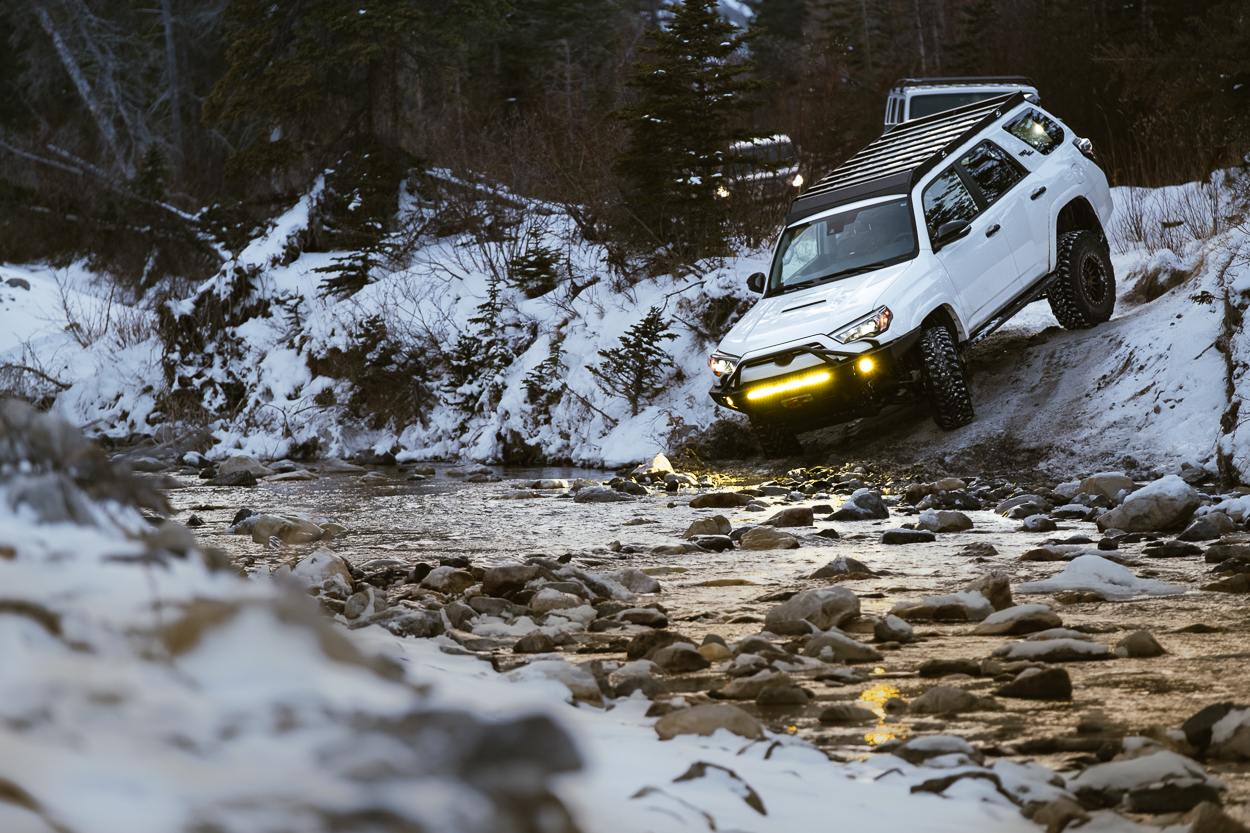
The complete combined weight on a Backwoods bumper is only 85 lbs.! This can be up to half of a steel alternative.
Corrosion Resistance
If you live in or frequently travel through environments with high salt or moisture content, such as coastal regions, areas with heavy snow and road salt, or humid climates, corrosion resistance should be a top consideration.
Aluminum is naturally corrosion-resistant. It doesn’t rust like steel, and while it can oxidize over time, the oxide layer it forms actually protects it from deeper degradation. This makes aluminum bumpers a low-maintenance option for vehicles exposed to harsh conditions year-round. Even a few years down the road, you won’t be dealing with bubbling paint or pitted metal caused by rust.
Steel bumpers can also be protected against corrosion with powder coating, paint, or even galvanizing, but once that protective layer is compromised—say from a rock chip or trail scrape—rust can start spreading quickly if not addressed. For drivers in rust-prone areas, this means more maintenance and vigilance to keep the bumper in good condition.
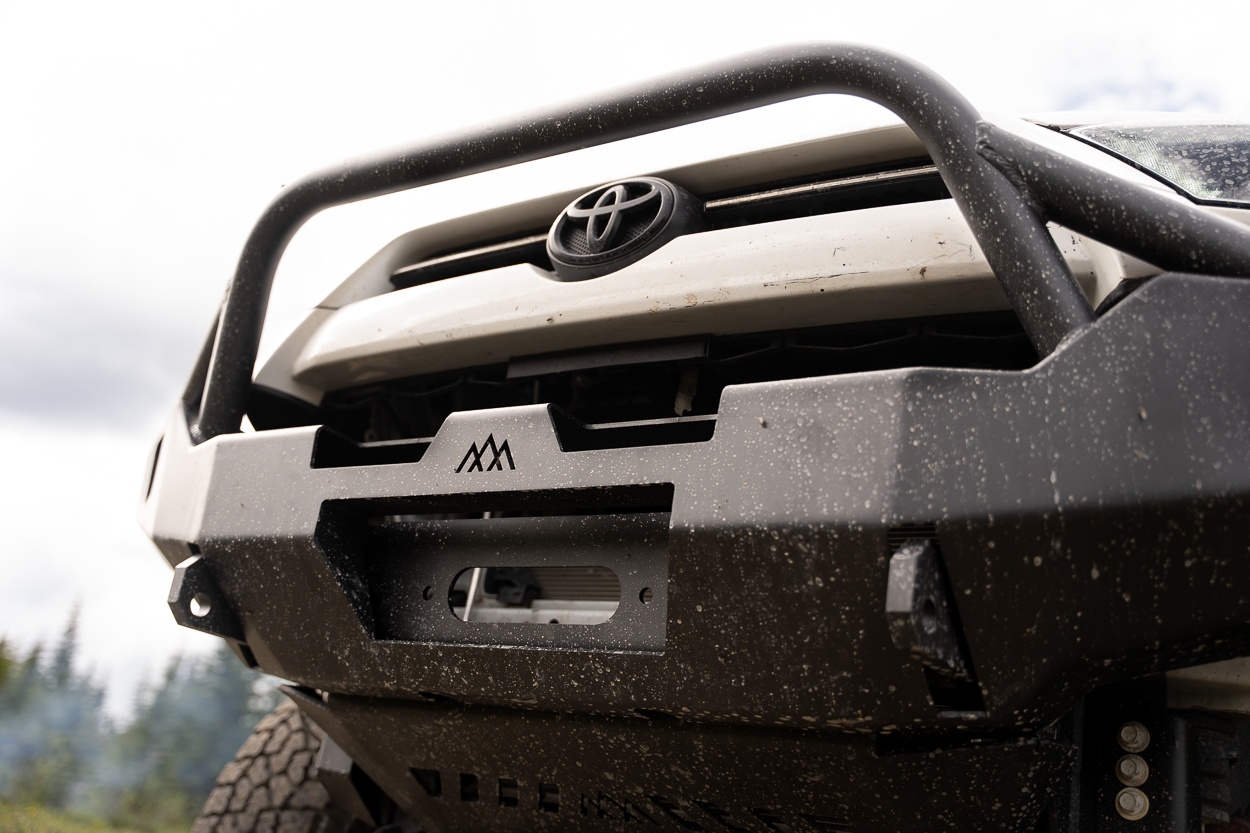
I live in Canada, where they salt the roads very heavily in the winter. It absolutely eats away at vehicles. The Backwoods bumper has been holding up really well, and we’ll continue to test it through difficult conditions in the future.
Repairability
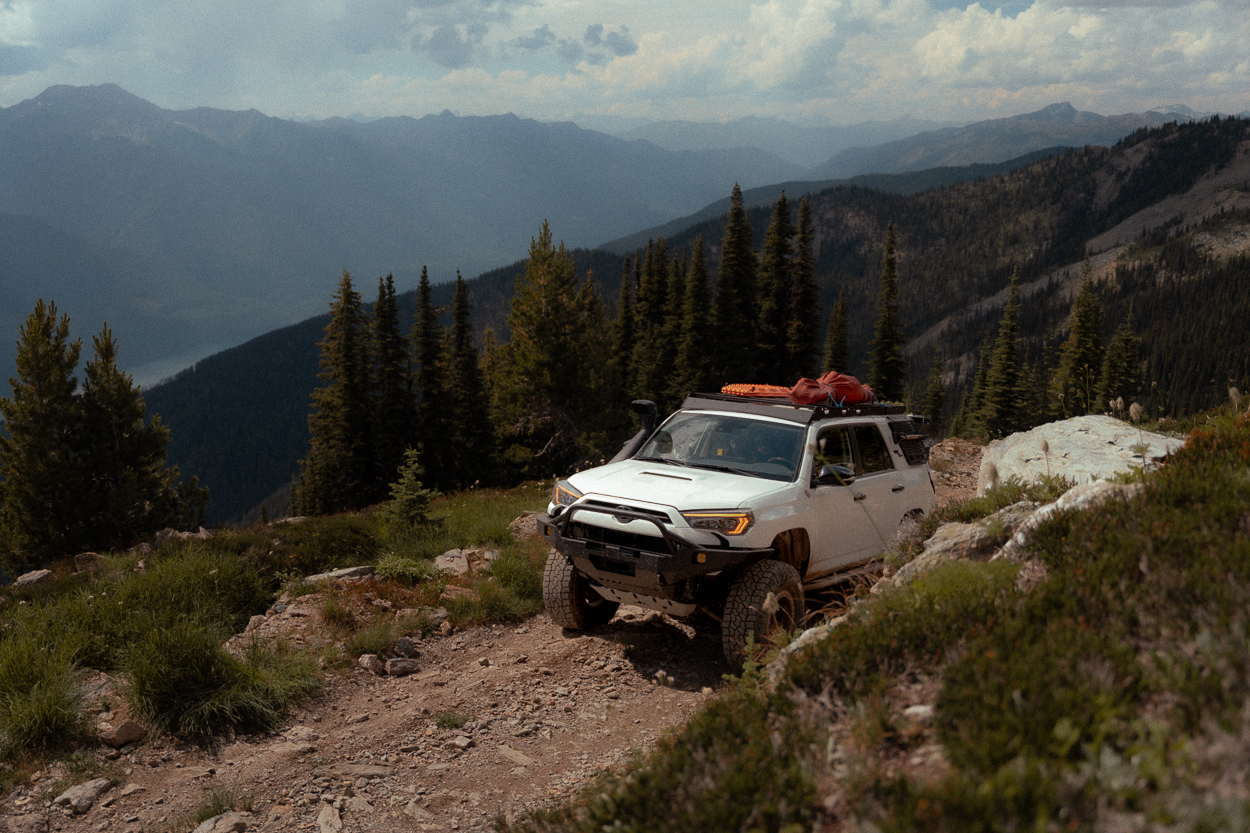
Even with the best driving skills and luck, things happen off-road—especially if you push your vehicle’s limits. When a bumper gets bent, dented, or cracked, the ease of repair becomes a factor.
Steel has the advantage here. It’s relatively easy to weld or straighten in the field or at a local shop. Many fabricators are comfortable working with steel, and the tools required are widely available.
Aluminum repairs are trickier. Welding aluminum requires specialized equipment and skills, and not every shop, especially those in remote areas, will have the necessary means to repair it. In the case of significant damage on a long expedition, finding someone to fix an aluminum bumper may involve more downtime and cost.
With Backwoods, as I mentioned, you can just swap the shell if there’s serious damage!
Which Should You Choose?
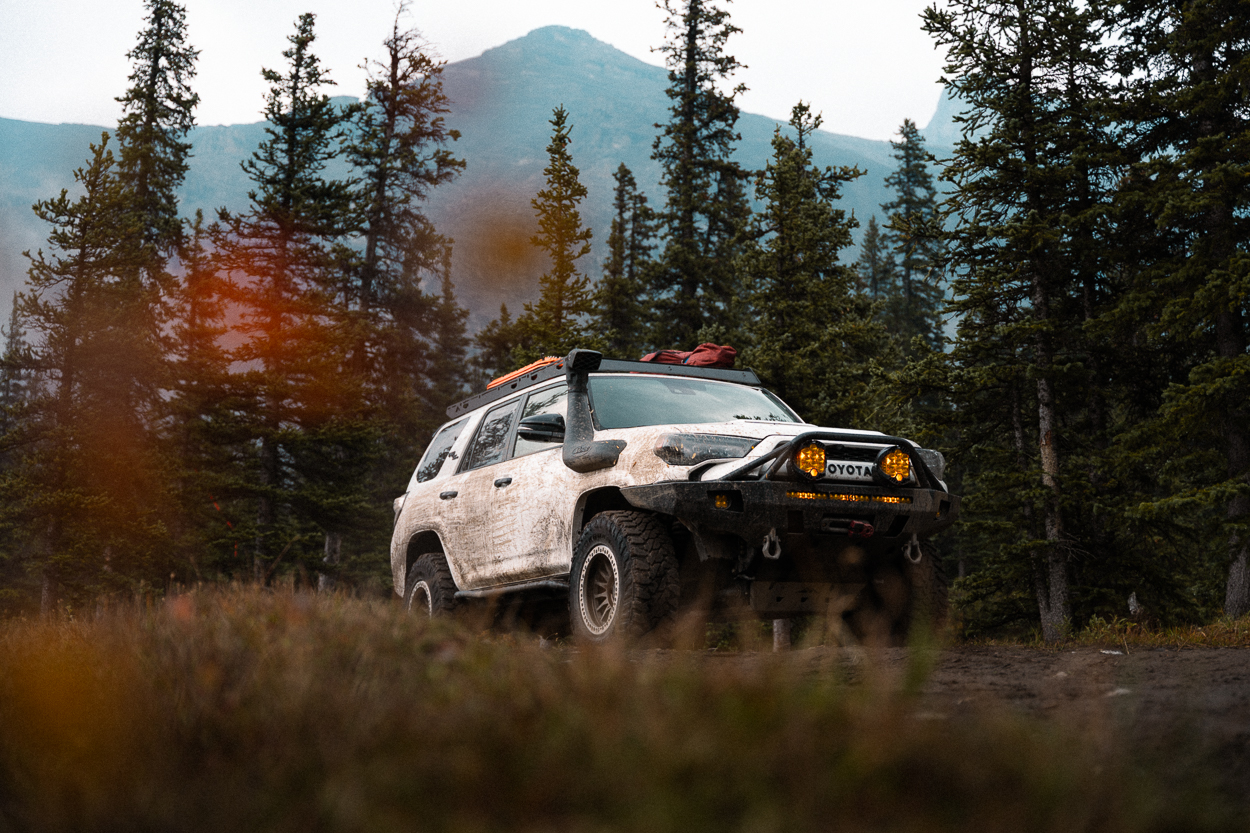
Ultimately, this is not a “one size fits all” decision. Instead, think about how you realistically use your vehicle, where you drive, and what your long-term goals for the build are.
Go Steel If:
- You’re building a dedicated rock crawler or extreme trail rig.
- You regularly drive in environments where bumper contact is likely and unavoidable.
- You prioritize maximum strength for winching and recovery.
- You want easier field repair options during remote expeditions.
Go Aluminum If:
- Your build focuses on overlanding, camping, daily driving, and mixed-use travel.
- You want to keep vehicle weight down for better efficiency and comfort.
- You live in or travel to regions with high corrosion risk.
- Your bumper will see more brush, gravel, and minor impacts than heavy rock strikes.
At the end of the day, I decided to install a Backwoods bumper, for all the reasons mentioned. I’ve been very happy overall and it looks amazing!
Final Thoughts
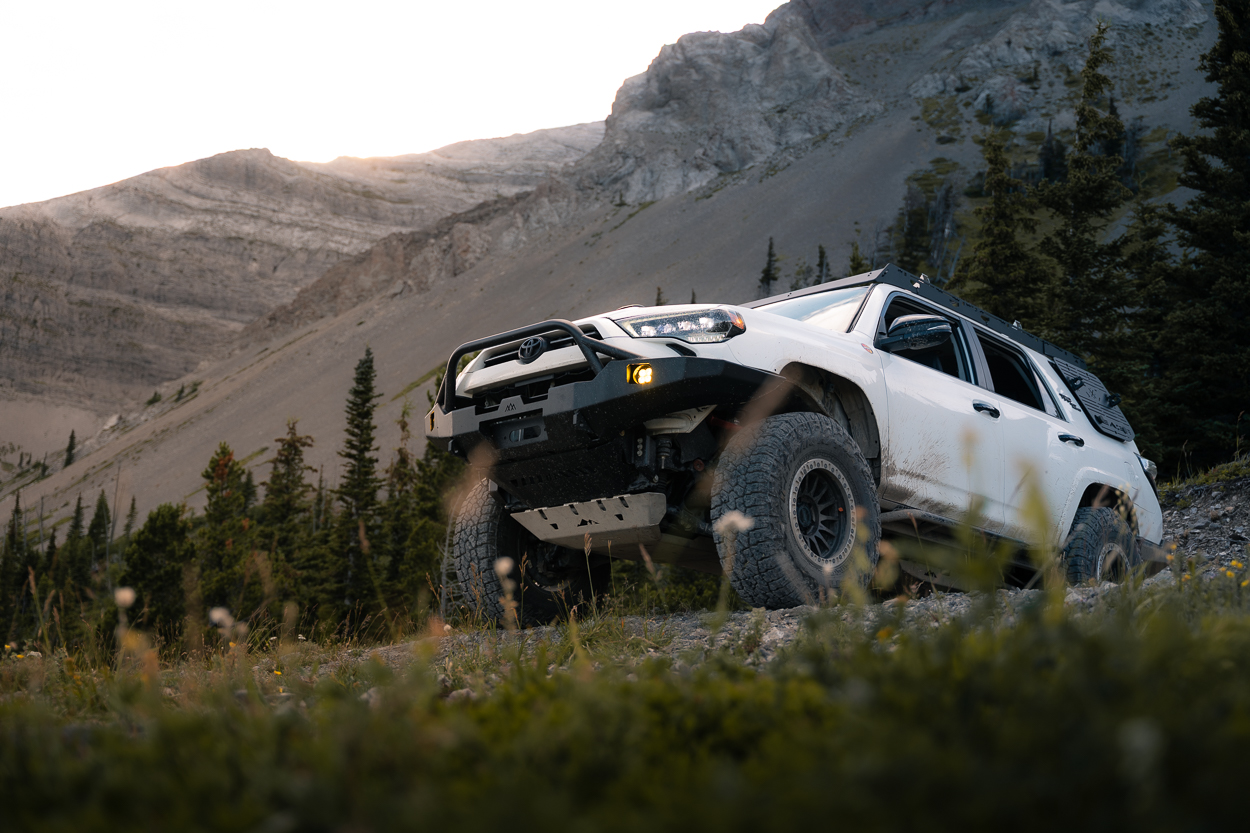
Choosing between aluminum and steel for your front bumper isn’t about picking a winner, it’s about matching the material to the mission. If your weekends are spent climbing boulder fields and dragging your rig through tight forest trails, steel’s unmatched strength and repairability make it the safer choice. If your adventures lean more toward remote camping, high-mileage trips, and light-to-moderate trails, aluminum offers the protection you need without burdening your suspension and fuel budget.
At the end of the day, both materials will give your truck a tougher look, a stronger front end, and better recovery options. The real win is selecting the bumper that suits your build, driving style, and adventures.
Make sure you check out Backwoods Adventure Mods for more on these “hybrid” steel and aluminum systems!

I put aluminum bumpers from Colorado Springs based Hefty Fabrication on my 4Runner and have never regretted it! The rear bumper is a hybrid. Aluminum bumper with steel swing arms. Weight is the enemy number one when building out an off road vehicle IMO. Hefty Fabrication claims that their aluminum bumpers are as strong as the steel version. I’m incredibly happy with mine and have zero regrets.
I bought the cbi aluminum front not realizing how much I would be pushing my rig and also joined a recovery group. All that winching finally fatigued it a bit and it bent a few mm from a couple low angle (pulled down on front) winches. Will go hybrid or steel next time.
Winch pulls definitely take a toll. How’s that RCLT treating you so far?
Good stuff! Easily among the best articles I’ve read here.
Appreciate it!
High praise!