
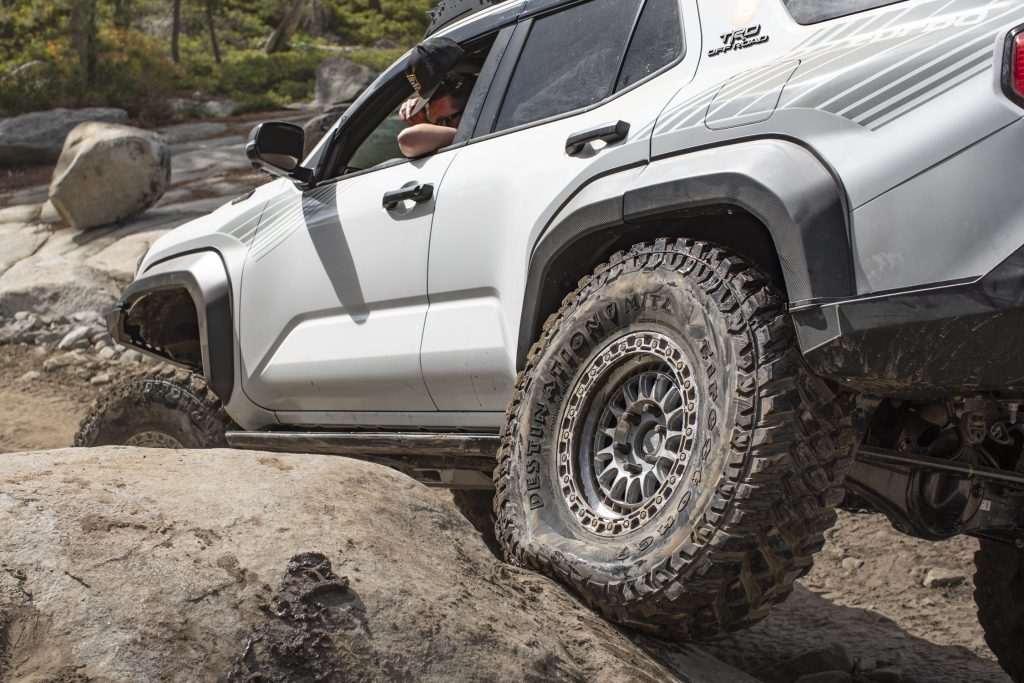
We have been running the Perry Parts Gen 2 rear bump stops on our 2025 (6th Gen) Toyota 4Runner for the past 7 months, including a full Rubicon run and a handful of other trails across Northern California. Bottom line, they have held up just fine. No visible wear, no rips, and nothing that suggests they are starting to fail. We just inspected them again today, and they still look great.
I’ll admit, I was just as skeptical as most of you were or maybe still are, but there is no denying that this product, and Perry Parts’ new manufacturing process, just flat out works. Sure, the old Gen 1 design had room for improvement, but Perry Parts reinvented the wheel and changed the printing method from 3D printed filament to injection-molded granules.
The new design/material leads to a stronger product all the way around. And what better way to test this new Gen 2s than on the Rubicon?
Let’s jump in and see what the new bumps are all about and why you might need them on your 6th Gen (and in general).
Table Of Contents
Gen 1 Vs. Gen 2

Perry Parts took a different approach with Gen 2 by changing materials and physically building new printers to support them. The new set is more of a hybrid injection-molded printed part, if you will.
Improvements…
- Construction upgrade: Injection molding granules instead of standard FDM filament, featuring a higher density core, a 2x-thicker external shell, and a decoupled exterior from the core for improved durability.
- Strength improvement: Gen 2 material delivers 45.3 MPa tensile strength compared to Gen 1’s 17.2 MPa, a 2.6x strength increase, while maintaining similar stretch capability, around 500 percent.
- How to tell them apart: Gen 2 features the new Perry Parts logo and smoother lines throughout.
Their explanation of the update is straightforward.
“We have selected an entirely new material to build our product. This material is over two times stronger than what we previously used. Our transition was made possible because we developed and built custom 3D printers in-house that can directly print using injection molding materials.”
In the real world, that translates into a bump that stays consistent after repeated hits, and does not show early fatigue after hard trail use.
Why Upgrade With Bigger Tires

When you move from the factory tire size up to a 34/35″+ tire (not to mention a 37″…) on the 6th Gen 4Runner, you are almost guaranteed to find contact somewhere, depending on wheel offset and suspension setup.
The big one in the rear is upper wheel well contact and inner fender well contact at full compression. That is exactly where a properly sized bump stop makes a difference.
- Factory offset reference: If you stay close to the factory +55mm offset, you might be okay, depending on lift height and exact tire size. For example, 35×11.5 and +40mm offset on factory TRD Off-Road Suspension will fit, no rubbing, at full bump, lock to lock. See this setup on 6thGen4Runner.
- Common aftermarket offsets: If you are running around +25mm and lower, including 0mm or negative offset paired with a true 35″ tire (35×12.5R17), expect rear tire contact into the inner fender well unless you address bump travel, clearance mods, and rear link adjustments. If you’re running a setup like this, that’s a bit more aggressive, you will need bump stops in the rear.
- What the bump stop helps prevent: They can limit up travel before the tire reaches the top of the wheel well, helping prevent damage and constant rubbing at full stuff.
There are a ton of tire fitment threads on 6thGen4Runner.com. Head over there to learn more about tire size fitment.
Choosing The Correct Length
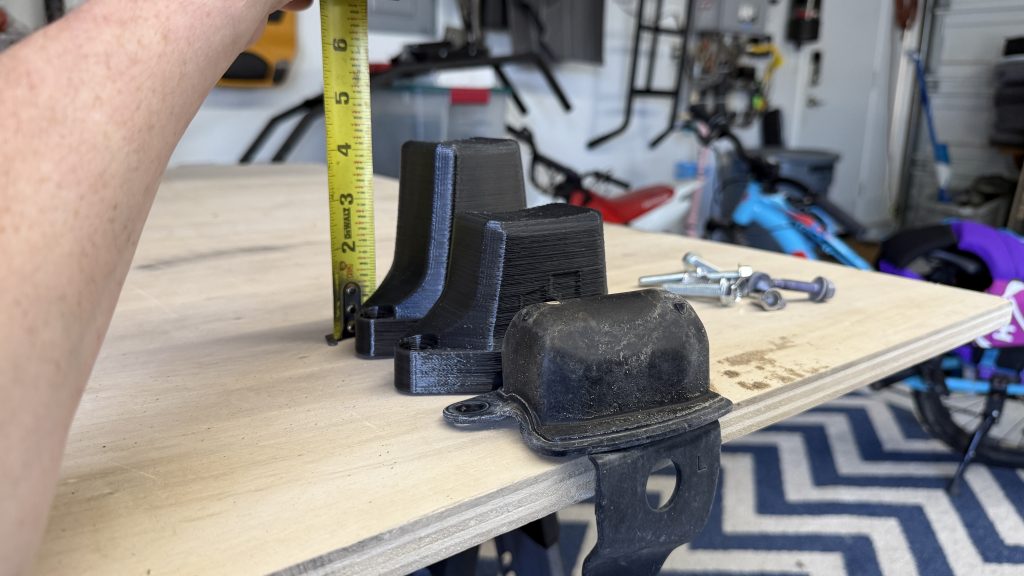
Perry Parts offers two rear lengths for the 2025+ (6th Gen) 4R, based on shock travel.
Choosing the correct length will depend on your lift height.
- Regular length shocks: 75mm (0-1.5″ lift)
- Extended travel shocks: 105mm (2-3″ lift)
Our Setup & The Problem We Were Solving
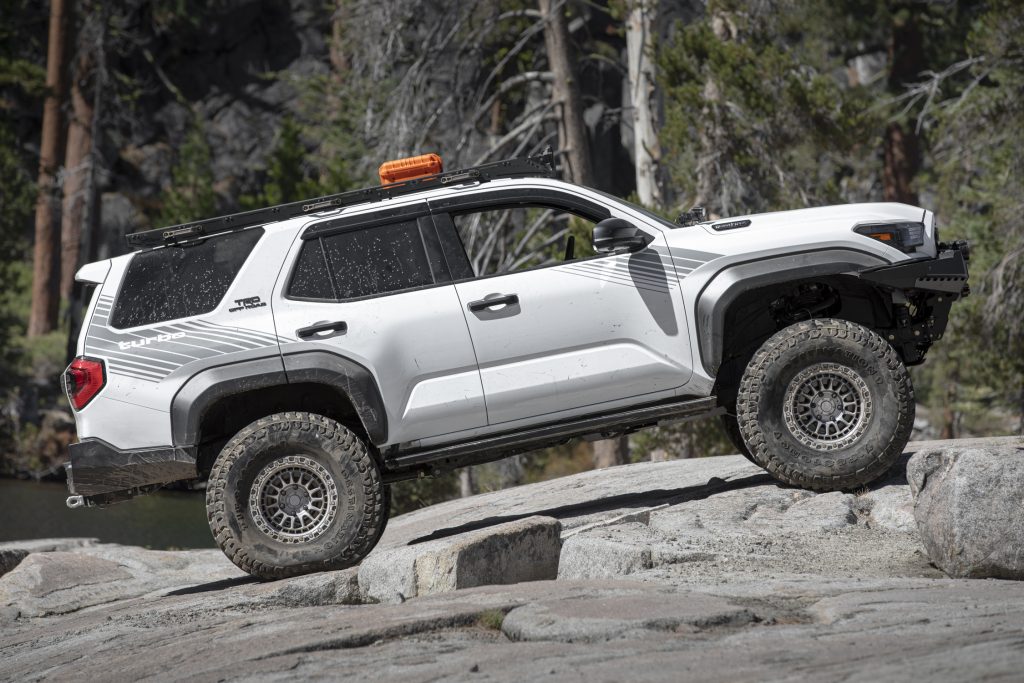
Our setup is a little different than most.
We’re running portals with factory suspension and a 2.25″ Peak Suspension spacer lift, +25mm offset wheels, and 37X12.5R17 tires.
Before the bump stops, we were contacting the fender flares near the top of the rear wheel well at full compression. After installing the Perry Parts 75mm rear bump stops, it was much better, but still not perfect.
We still had some rubbing at the inner fender area near the rear door. We fixed that separately by pushing the rear axle back 1″ using Dobinson’s rear adjustable upper and lower links.
The bump stops helped with the vertical clearance issue, and the axle position change handled the forward contact near the rear door area.
Install Notes

This is a straightforward install for most, especially if you’re already comfortable working around the rear suspension.
You don’t need to lift the 4Runner or remove your rear tires, but it might make the installation easier.
Take a look at the full installation guide here.
Install Steps:
- Remove the factory rear bumps.
- Install the Perry Parts bumps.
- Cycle the suspension if you can, or verify clearance after a few compression events on the trail.
If you are pairing these with a 35″ tire and an offset closer to +25mm, confirm clearance at the top of the wheel well early, and determine whether or not you need to push your axle back with adjustable links, before you do a full day on trail, or you will rip off your fender flares.
Long Term Testing, Rubicon & Northern California Trail Use

We have now tested these for 7+ months, including on the Rubicon and other Northern California trails.
They have done exactly what we needed them to do. No tearing, no chunking, no visible wear that would make us think they are degrading.
- Durability: No rips, no deformation, no obvious wear after repeated hard hits.
- Function: Helped prevent our bigger tires from contacting the top of the rear wheel well at full stuff.
- Consistency: Bump control has stayed predictable over time, with no change in how the rear feels under compression.
- Cold weather performance: No notable signs of performance loss while snow wheeling in Truckee and around Lake Tahoe.
Who Are These For?
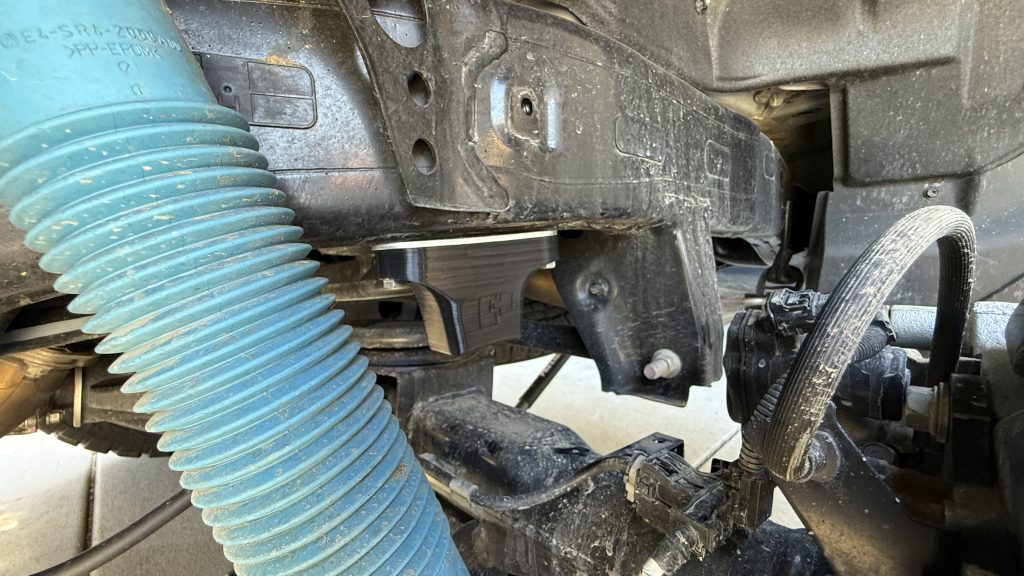
So who can benefit from an upgrade? Pretty much everyone.
Perry offers a much better performing product than OEM, fine tuned to each vehicle with progressive damping. Even on a stock 4Runner, you will still appreciate how smoothly they operate on unexpected dips in the road. If you’re towing, you’ll experience better stability and a smoother ride. And if you mob in the desert or on the rocks, these pliable and progressive bump stops will help to soak up the whoops.
Final Thoughts
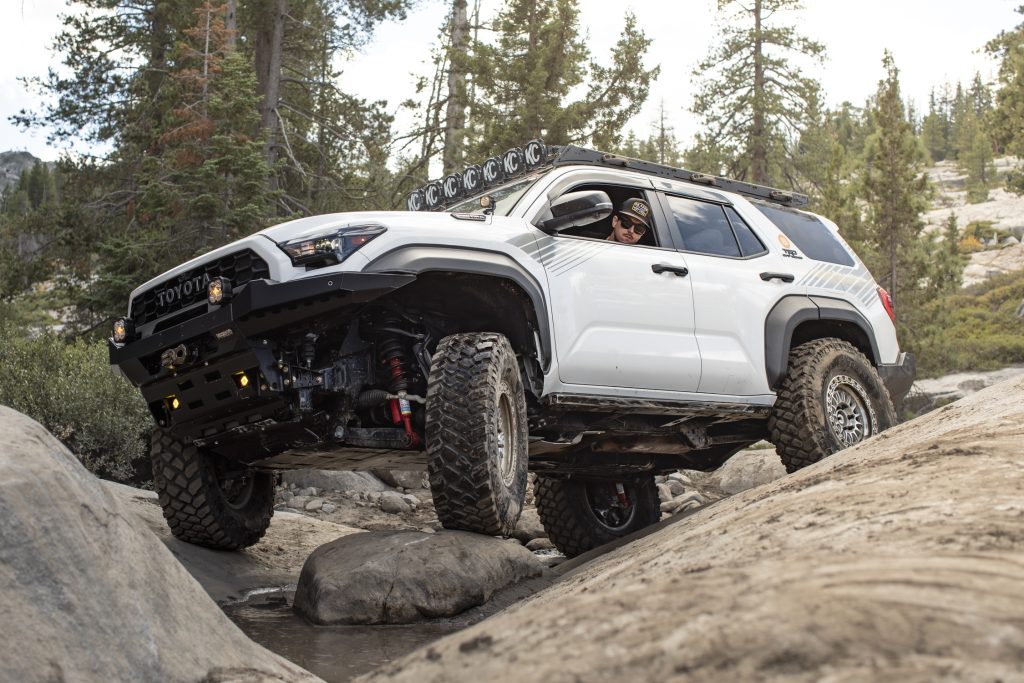
Perry Gen 2s have been a solid upgrade on the new 4Runner.
After 7+ months of use, including testing with lots of abuse, they are holding up great and doing the job they were designed to do.
If you’re building your 4Runner, don’t forget about bump stops. They’re a crucial complement to any setup.
I’ve run a wide variety of these over the years… SumoSprings, DuroBumps, BuiltRight, and Wheelers Off-Road, to name a few. For the money and performance, you really can’t beat Perry Parts.

Thanks for the writeup. Do any of you have experience with these while wheeling in very cold winter temperatures? Do they get very stiff and adversely affect ride quality?